|
|
Chassis:
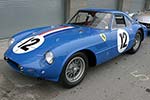
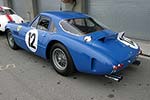
The introduction of the GTO was a carefully planned affair, which saw each modification homologated on the 250 GT SWB first. One of the first signs of things to come was a set of two highly modified SWBs, which were constructed in 1961. They were part of a run of five SWBs bodied by Pininfarina with a style similar to the aerodynamic 400 SuperAmerica. Two of these 'Sperimentales' also received a large number of technical modifications and were lightened throughout. Both featured covered headlights and clearly showcased Ferrari's desire for higher top speeds.
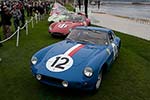
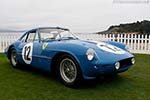
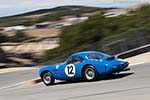
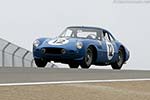
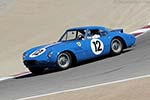
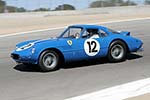
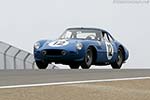
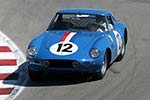
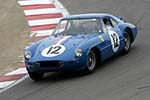
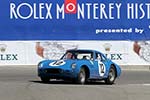
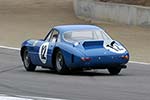
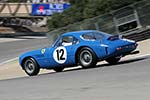
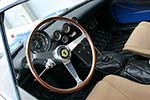
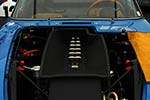
The first one (2429 GT) received a slightly uprated Comp/61 engine, but was never raced despite being extremely fast. Ferrari went one step further with the second car, the featured 2643 GT, and equipped it with a dry-sump six Carburetor version of the 3 litre V12. This engine was very similar to the upcoming 250 GTO engine. In later years this 'interim' car would be referred to as the 250 GTO prototype. It was used throughout the year as a testbed, but made a brief and unsuccessful appearance at Le Mans, where it was entered in the experimental class.
Early in 1962 Ferrari sold the unique racer to Luigi Chinetti who entered it for Stirling Moss in the Daytona 3 hour event. In his last race in a Ferrari Moss finished fourth overall and first in class. Later that year it was driven to a fourth in the GT class at Le Mans by Ed Hugus and George Reed behind two victorious 250 GTOs and a Lightweight E-Type Jaguar, which took third. After exchanging hands many times this unique SWB found its way to its current owner, who restored it to its original blue 1961 Le Mans livery.
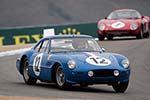
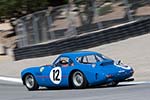
Fortunately the current owner is an avid racer as can be seen in the image gallery above. 2643 GT is pictured campaigning in the 2005 Monterey Historic Automobile Races.
| Chassis details |
| Appearances |
|
|
|

 Ultimatecarpage.com
> Cars by brand
> Italy
> Ferrari
Ultimatecarpage.com
> Cars by brand
> Italy
> Ferrari
 Racing cars
> GT Cars
Racing cars
> GT Cars